Building a new home is one of life’s biggest milestones, and it comes with countless moving parts. While the process can be exciting, it can also become stressful when inspections uncover defects or delays arise. Quality control and quality assurance in construction are critical components that play a defining role in whether a project is completed safely, efficiently, and to the expected standard.
This guide explains the risks of poor quality control in home construction and outlines practical ways to ensure your build is quality assured from start to finish.
The importance of construction quality control in home builds
Building or renovating your home requires significant trust in your builder. Most homeowners have varying degrees of knowledge about construction, which can make it difficult to know whether the project is progressing as it should.
Quality inspections act as a safeguard, ensuring that construction work complies with Australian standards and approved plans. By prioritising new home build inspections, you can confirm that each stage of the build meets safety, structural, and workmanship requirements. This proactive approach protects the integrity of your investment and provides peace of mind throughout the process.
Common issues identified during inspections
New home building inspections frequently uncover issues that are not always visible to the untrained eye. Identifying these problems early allows them to be addressed before they escalate into costly or disruptive defects.
Some common issues in construction projects can include:
- Design flaws that cause operational or structural setbacks
- Defective or unsuitable materials that impact durability and performance
- Inadequate insulation or waterproofing
- Communication breakdowns leading to work that does not match approved plans
- Insufficient inspections throughout construction resulting in hidden defects
- Poor documentation affecting accountability and traceability
Key stages for construction quality control procedures
Quality control is most effective when inspections are carried out at multiple stages throughout the build. These inspections help identify potential issues early, reducing the risk of major repairs or delays later on.
Many new home buyers underestimate the importance of inspections during construction, assuming issues will only be identified at completion. In reality, each inspection stage plays a vital role in ensuring safety, compliance, and long-term performance.
1. Slab Inspections
Pre-slab pour inspections offer an opportunity to verify that the structural steel inside the slab has been prepared correctly prior to the concrete being poured. Once the concrete has been poured, none of the structural elements are visible, making this a crucial inspection stage.
2. Foundation and brickwork/framing inspections
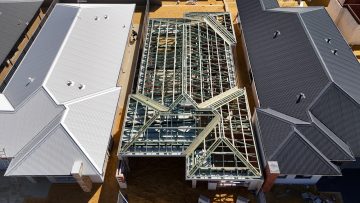
These inspections confirm that the base of your home is solid and constructed in accordance with approved plans and engineering requirements. Brickwork/framing inspections check the stability, alignment, and structural integrity of the building before it is covered, helping prevent future structural issues.
3. Waterproofing and Roof Cover Inspections
Inspecting the wet area waterproofing membrane installation before tiles are laid ensures the waterproofing membrane has been applied correctly and complies with Australian Standards and the National Construction Code. Early detection reduces the risk of expensive rectification work later. We also offer a roof cover inspection add-on at this stage, to allow early detection and repair of any roof cover related defects.
4. Practical Completion Inspections
Practical completion inspections assess the overall workmanship, finishes, fixtures, and compliance with Australian Standard and National Construction Code requirements. This stage ensures your home is safe, functional, and ready for occupancy.
How to ensure quality control throughout the build
Taking an active role in quality control can significantly improve the outcome of your construction project. Rather than relying solely on final inspections, quality should be managed consistently throughout the build.
Choosing a reputable builder is key to ensuring a quality build. A builder with the appropriate licences, insurance, and experience is more likely to follow best practice and welcome independent inspections. A builder imposing restrictions on independent inspections is not a good sign. Reviewing past projects, client feedback, and compliance history provides valuable insight into how a builder manages quality on-site.
A structured construction quality control plan can further support this process. This plan should outline quality standards for materials and workmanship, identify inspection points throughout the build, and clearly assign responsibility for checks, approvals, and defect management. When quality requirements are documented and built into contracts and plans, accountability is strengthened across all trades.
Regular on-site inspections play a key role in maintaining standards. Inspections at critical milestones such as foundations, framing, and services allow issues to be identified and addressed early, before they become costly or difficult to fix. Findings should be documented, corrective actions clearly communicated, and follow-up inspections completed to confirm issues have been resolved.
Rest easy knowing your home is in good hands with BestWest Building Inspections
Getting qualified eyes on your building work early can make all the difference. From minor defects to hidden compliance issues, our construction progress inspections help protect your investment and reduce stress later on.
Contact us to get an instant quote, then we’ll be in touch to discuss further at a time that suits you.